As artificial intelligence continues to reshape how we live, communicate, and understand the world, it also calls people of faith to engage deeply with urgent spiritual and ethical questions. What does it mean to be a soul in digital space? How might algorithms and machine learning reframe our theological imagination, and what does spiritual discernment look like in an age where data often guides decision-making? From worship to pastoral care, clergy and faith leaders are now discerning how AI might challenge, transform, or even enrich sacred practice and communal life.
This conversation-driven webinar brought together leading thinkers and practitioners at the intersection of technology, theology, and ethics. Drawing on diverse traditions and disciplines—from feminist and womanist theology to computer science, Buddhism, and pastoral ministry—our panel explored the promises and perils of artificial intelligence with nuance, clarity, and care. Whether you're a theologian, technologist, pastor, or seeker, this timely dialogue invites you to reflect on how faith communities can meet the digital future with courage, creativity, and spiritual depth.
This event has now passed. You can watch the recording below.
Resources
Books
- The Empire of AI by Karen Hao
- Artificial Unintelligence by Meredith Broussard
- More than a Glitch: Confronting Race, Gender, and Ability Bias in Tech by Meredith Broussard
- The AI Con: How to Fight Big Tech’s Hype and Create the Future We Want by Emily M. Bender and Alex Hanna
- Race After Technology by Ruha Benjamin
- Imagination a Manifesto by Ruha Benjamin
- Algorithms of Oppression by Safiya Umoja Noble
- Unmasking AI by Joy Buolamwini
- Atlas of AI by Kate Crawford
- Digital Black Feminism by Catherine Knight Steele
- Weapons of Math Destruction by Cathy O’Neil
- Understanding Religion and Artificial Intelligence: Meaning-Making in a Digital Age
Podcasts
- There are no Girls on the Internet
- Tech Won’t Save Us
- System Crash
- The Data Fix
- Better Offline
- AI Ethics Now
- AI in Action
Shamika Klassen Syllabus
"Technowomanism in Praxis: Critical Engagement at the Intersection of Social Justice and Technology" course taught at Union Theological Seminary in the city of New York, Summer 2025
New to the promises and perils of AI?
- Tristan Harris - "Is AI Apocalypse Inevitable?" (Video, 17min.) - In this episode of After Skool, Tristan Harris explores how we can pursue a narrow path between the two most probable futures that AI will create.
- Adam Jones - "What risks does AI pose?" (Article) - AI already poses many significant risks, and future AI systems could exacerbate anticipated catastrophic risks, as outlined by BlueDot Impact.
- Andrew R. Chow - "ChatGPT May Be Eroding Critical Thinking Skills, According to a New MIT Study" (2025 Time Article) - “The paper suggests that the usage of LLMs could actually harm learning, especially for younger users.”
New to the subject of AI alignment?
- The Decision Lab - "AI Alignment: Introduction" (Article) - Achieving alignment is crucial to prevent unintended consequences, risks, and ethical concerns associated with AI technologies.
- Marin and Luka Ivezic - "The AI Alignment Problem" (Article) - The alignment problem involves questions about what constitutes ethical behavior and how to encode these ethics into AI systems.
- DataQG - "Introduction to AI Governance" (Video, 6min.) - AI governance encompasses the broader framework of policies, regulations, and structures needed to manage AI's development and use.
How are religious and spiritual traditions responding to AI?
- The Vatican - Antiqua et Nova (2025 Doctrinal Note) - “We are called to reflect on the current challenges and opportunities posed by scientific and technological advancements, particularly by the recent development of Artificial Intelligence (AI)”
- AI & Faith (Interfaith Nonprofit) - AI&F’s projects offer an overview of the many ways in which AI-powered technologies are informing and being informed by spiritual wisdom, including AI ethics and alignment, sacred text translation, ministry and chaplaincy, and more.
How can Buddhist wisdom meaningfully engage with AI?
- Ruben Laukkonen, et al - "Contemplative Wisdom for Superalignment" (2025 Academic Paper) - “Rather than externally constraining behavior, we advocate designing AI with intrinsic morality built into its cognitive architecture and world model … inspired by contemplative wisdom traditions.”
- Thomas Doctor, et al - "Biology, Buddhism, and AI: Care as the Driver of Intelligence" (2022 Academic Paper) - “Buddhist concepts offer a unique perspective and facilitate a consilience of biology, cognitive science, and computer science toward understanding intelligence in truly diverse embodiments.”
- Murray Shanahan, Tara Das, Robert Thurman - "The Xeno Sutra: Can Meaning and Value be Ascribed to an AI-Generated "Sacred" Text?" (2025 Academic Paper) - “A case study in the use of a large language model to generate a fictional Buddhist ‘sutra’.”
Resources from the live chat during the webinar:
- Kwok Pui Lan, Boyung Lee, Tracy Trothen, “AI and East Asian Philosophical and Religious Traditions: Relationality and Fluidity” (Article)
- Character.ai Lawsuit Related to Teen Suicide, The New York Times
- DAIR Institute
- The SEEKR Project
-

Dr. Daren Erisman is an Assistant Professor of Computer Science at Minot State University in North Dakota where he established and co-leads a new data science program with undergraduate topics in AI. Serving as an ordained minister in the Evangelical Lutheran Church in America, Daren also holds a Ph.D. in Systematic and Philosophical Theology from the Graduate Theological Union in Berkeley. His research interests include comparative theology between Christianity and Islam, as well as the relationship between science and religion.
-
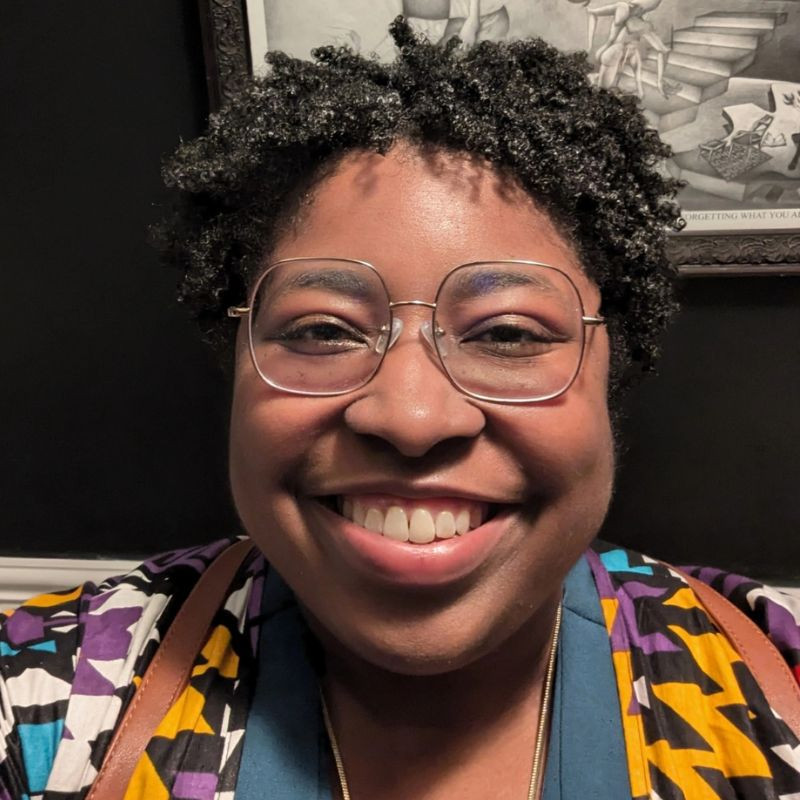
Dr. Shamika Klassen graduated from Stanford University with a degree in African and African-American studies. Afterward, she moved to New York City to serve a year with AmeriCorps. During that time, she earned a Master of Divinity from Union Theological Seminary in the city of New York focusing her studies on technology, ethics, and social justice issues. While there, she also developed technowomanism as an ethical framework rooted in the womanist tradition and the wisdom of Black women. She went on to pursue a Ph. D. from the Information Science department at the University of Colorado Boulder advised by Dr. Casey Fiesler. She is the first Black person to receive a Ph. D. from the department. Her dissertation topic was, "How do Black women, femmes, and non-binary people envision the future of technology?" She has published collaborative work in GROUP, SIGCSE, CSCW, Social Media + Society, DIS and CHI. Dr. Klassen is currently a User Experience Researcher at Google. Outside of her professional life, she fills her cup by knitting, playing games or consuming media of all kinds, making smash books, writing letters, and connecting with friends, family, and her community.
Dr. Klassen shared her insight during this event in a personal capacity.
-
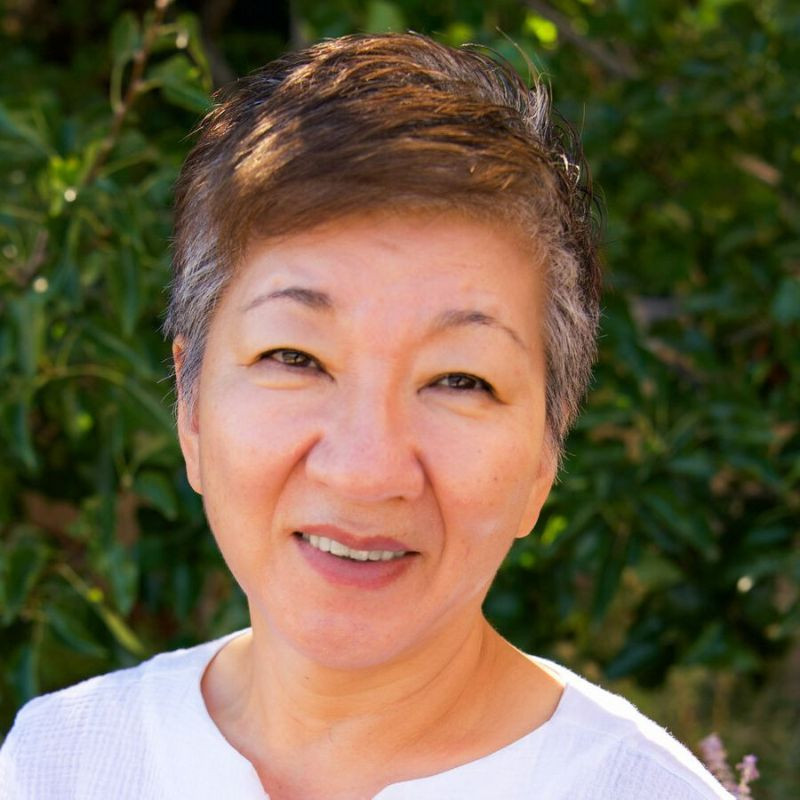
Rev. Dr. Boyung Lee is Professor of Practical Theology at the Iliff School of Theology. As a feminist communitarian practical theologian, her theological and scholarly pursuit is fueled by her commitment to social justice. She works hard to embody her commitment in her leadership and pedagogical practices. Before Iliff, Rev. Dr. Lee taught for 15 years at the Pacific School of Religion (PSR) and the Graduate Theological Union (GTU) in Berkeley, CA, where she became the first woman of color tenured faculty in 2007. Dr. Lee is also an ordained United Methodist elder who served churches in Korea and the United States. Her current research projects include co-editing a Louisville Institute grant-funded book, Embodying Anti-Racism: Asian American Christianity and Feminist Theologies; investigating “Sexual Violence in Asian American Ethnoreligious Communities,” a Religion and Sexual Abuse project of the University of California, Riverside, funded by the Henry Luce Foundation. She is the immediate past president of the Religious Education Association and the incoming board chair of PANAAWTM (Pacific, Asian, North American Asian Women in Theology and Ministry). She also serves as the co-chair of the Women and Religion Unit of the American Academy of Religion.
-
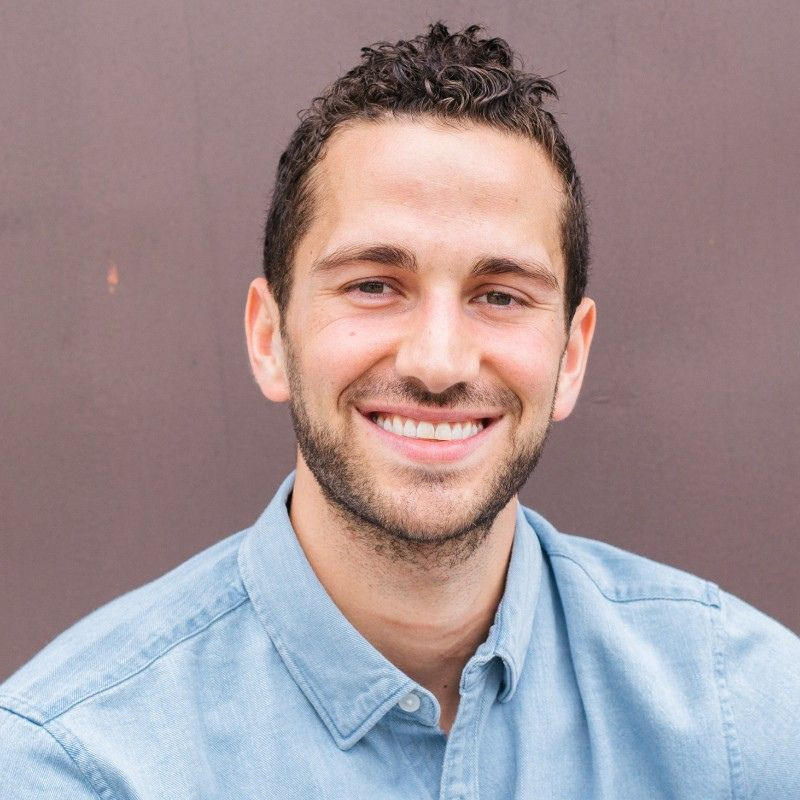
Alex Sarkissian is an entrepreneur, contemplative coach, and Buddhist chaplain. He is the co-founder of Wisdom Imperative which empowers organizations and leaders to build cultures of connection, compassion, and growth. His work centers around the future of spiritual practice & community, technology ethics, and human flourishing in the age of AI. Alex was previously a founder, CMO, and operator at various early-stage startups and a strategy & innovation consultant at Deloitte. He holds a Master of Divinity in Buddhism & Interreligious Engagement from Union Theological Seminary and a Bachelor of Arts in Economics and History from Northwestern University. Alex started meditating in 2009 and is a practicing Buddhist straddling the traditions of Insight and Soto Zen.