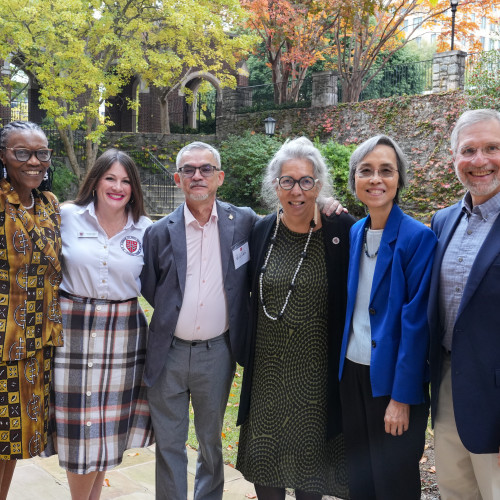
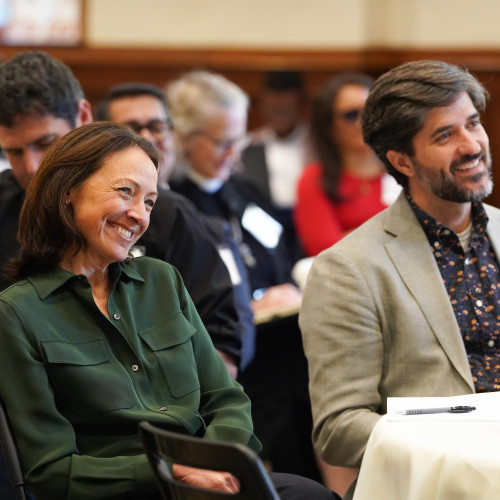
A symposium on the possibilities and challenges of a postcolonial, polycentric Anglican Communion convened by Dr. Kwok Pui Lan and the Rt. Rev. Ian T. Douglas, PhD
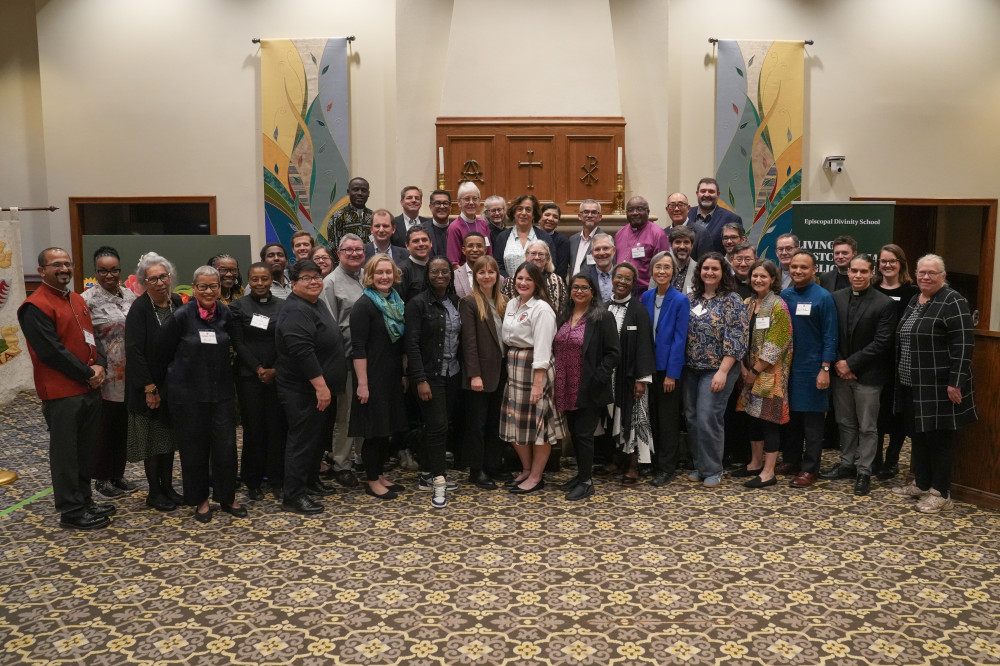
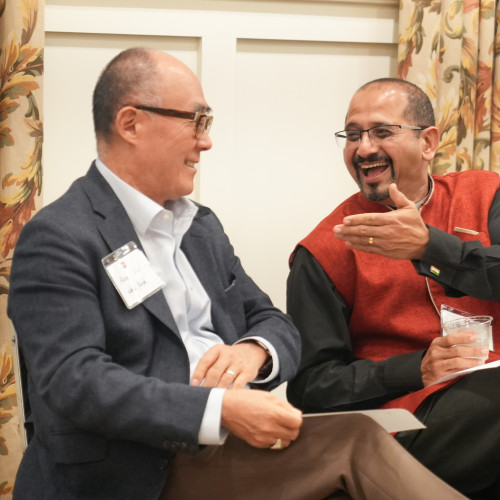
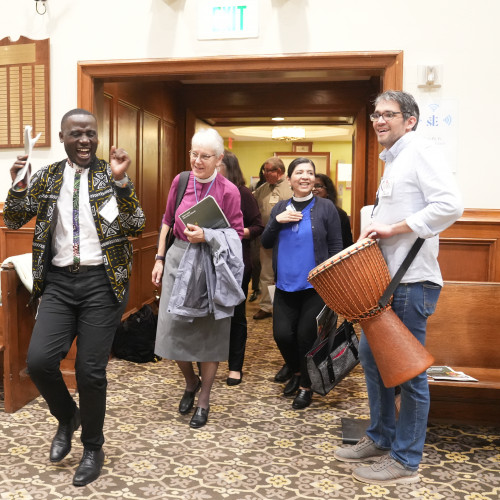
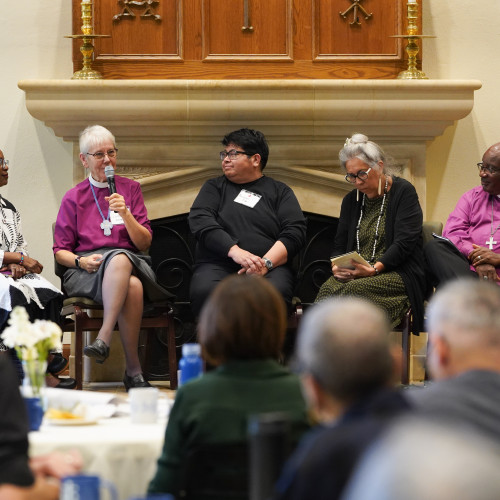
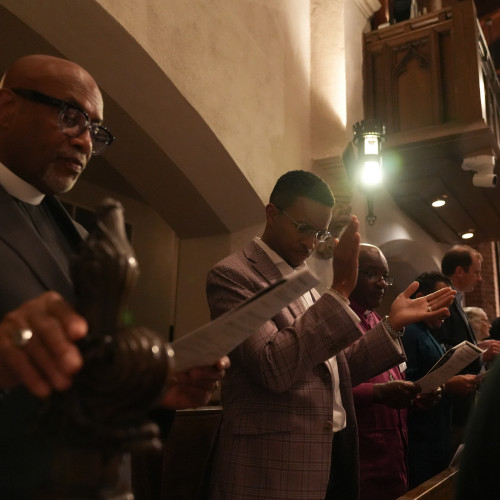
(November 6-8, 2025 | Atlanta, Georgia, U.S.) With a majority of Anglicans now living in the Global South, the Anglican Communion is in the process of significant transformation. This symposium, hosted by Episcopal Divinity School, was a unique opportunity, beyond the institutional structure, commissions, offices, and meetings of the Anglican Communion, to gather and reflect theologically on historical and evolving cultural dynamics and power structures of the Anglican Communion. Living Postcolonial Anglicanism brought together established and emerging scholars and practitioners of postcolonial Anglicanism for three days of dialogue, learning, and relationship building.
Participants came from Africa, Asia, Latin America, Oceania, Europe, and North America, and included Indigenous leaders from several regions. They represented a diversity of church institutions, including seminaries, bishop and primate offices, mission agencies, and the Anglican Communion Office. Together, they created a space for those present to listen and speak openly about the need for resistance to colonial structures and mindsets which are still embedded in our churches and which disempower those on the margins.
Some participants reported that the discussion was sometimes uncomfortable, particularly for those from the Church of England and The Episcopal Church, as the realities of colonialism and the extraction of wealth from the Global South was named and challenged. Through honest discussion and refreshed commitment, hope in the possibility of de-centered sites of influence was engendered. In her plenary address, Dr. Kwok described this vision as “contrapuntal,” referring to music involving two or more independent and harmonically related parts or lines sounding at the same time. In the words of one participant, the Goliath of colonialism was named so that it could be resisted. Another participant described this new vision of the Communion as something that must be midwifed into being.
The both/and, ‘via media’ of Anglicanism was held as both a gift and tool to engage in this work, as we hold the center and periphery, the metropole and the margin, the local and global. Those gathered reflected appreciation regarding multiple differences of culture, language, and tradition across the Anglican Communion while also experiencing a deep sense of unity and common participation in God’s mission as Anglicans.
The symposium also celebrated the forthcoming release of a new collection of essays by global Anglican leaders, Living Postcolonial Anglicanism: Prospects for a Polycentric Anglican Communion (Bloomsbury, 2025), edited by Kwok Pui Lan and Bishop Ian Douglas, which follows their widely read volume of 2001, Beyond Colonial Anglicanism.
The symposium concluded with participants agreeing on specific next steps, including:
- Establish an Informal Global Network: The symposium marks the beginning of an informal, dedicated network of Anglican contextual theologians. EDS plans to map out existing groups working on decolonizing theological education across the Communion, and several representatives agreed to share the fruits of this gathering with networks of which they are a part, including the Commission for Theological Education in the Anglican Communion, the Anglican Communion Office, leadership in The Episcopal Church, the Council for World Mission, United Society Partners in the Gospel (USPG), among others.
- Facilitate Grassroots Training: A group will develop a flexible training packet/framework to empower and support local churches in learning, worshipping, and engaging with a postcolonial, polycentric worldview and understanding of Anglicanism. This work must be both grassroots and contextual with support and buy-in from local authority.
- Virtual Follow-up: A Virtual Reunion will take place in January 2026. Symposium participants will attend to further solidify commitments within three areas: theological education, parish engagement, and mentorship for women and Indigenous leaders. After this initial reunion, others interested in joining this network and learning how to bring this work into their local context are encouraged to join the work. Email [email protected] for more information.